
Introduction
Threaded inserts allow a great way to add threaded features to your product. Screws can be repeatedly installed and removed with little fear of stripping the threads. They can be installed into plastic parts in a number of ways. Traditionally inserts can be molded in place, pressed fit, heat staked, or ultrasonically staked. Plastic parts must be properly designed for each type of installation method. Using adhesive to bond inserts into place is also possible, but will not be covered here. APP can install inserts by all these methods.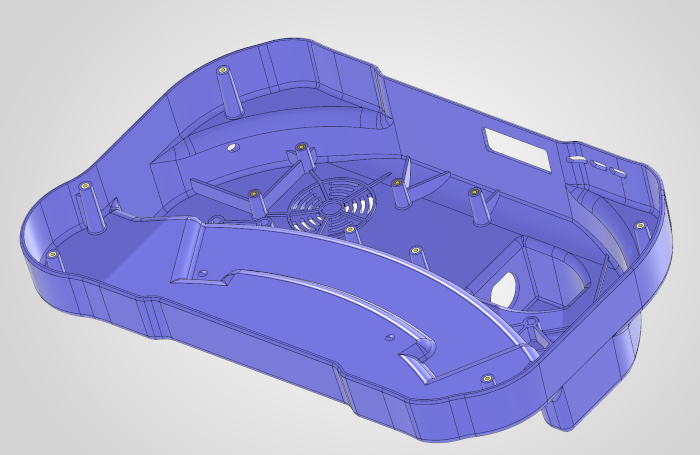
Installation Methods
Mold in Place Inserts
An operator loads the inserts into the mold and the inserts are molded into place during the molding process. Simple fixtures can be used to help install inserts more quickly and simultaneously.
Press Fit
Press fit inserts typically have a locking feature that engages when the insert is mechanically pressed into a correctly sized hole in the part after molding. Adhesives can be used also.
Heat Staking
The insert is installed by heating it and then carefully pressing it into the molded part. While a simple hand press can be used, a dedicated air press, with heat, speed, and time control is preferred. One or more inserts can be installed at a time if they are all the same height.. For multiple inserts, a custom tool is required.
Ultrasonic Staking
Sophisticated ultrasonic equipment vibrates the inserts to generate heat to install the inserts after the part is molded. While multiple inserts can be installed, the custom tooling required can be expensive.
Pros & Cons
| Mold In Place | Press Fit | Heat Stake | Ultrasonic | |
|---|---|---|---|---|
| Custom Tooling Required | No, but simple fixtures can speed up installation into the mold. | Yes, for multiple inserts, simple | Yes, for multiple inserts, moderate | Yes, for multiple inserts, complex |
| Speed | Molding time is longer, entire process is faster | Quick | Slower | Fast |
| Mechanical Holding | High | Lower | High | High |
| Material Types | Thermoplastic and Thermoset | Thermoplastic and Thermoset | Thermoplastic | Thermoplastic |
| Automation | Yes, but press side automations can be complicated | Yes | Yes | Yes |
| Pros |
High strength hold and lowest part stress. No secondary operation required Multiple types and sizes of inserts can be installed. Fixtures to load multiple inserts can be simple and greatly speed up install process |
Simple tooling and equipment Only method suitable for thermoset materials |
Self stress relieving if installed properly Inserts are not wasted if the part is rejected before installation. |
Inserts are not wasted if the part is rejected before installation. Fast |
| Cons |
Rejected parts waste all of the inserts. (Inserts can be reclaimed but it is seldom cost effective.) |
Lower hold strength (adhesives can be employed) |
Tooling required. |
Install process can induce hoop stress and cause future failures. Expensive equipment and tooling. |